


Was “The Blair Witch Project” Real? The True Story of the Groundbreaking Horror Film, 27 Years Later
Was “The Blair Witch Project” Real? The True Story of the Groundbreaking Horror Film, 27 Years Later

Maddie Garfinkle, Emily KrauserTue, October 20, 2026 at 11:15 AM UTC
6
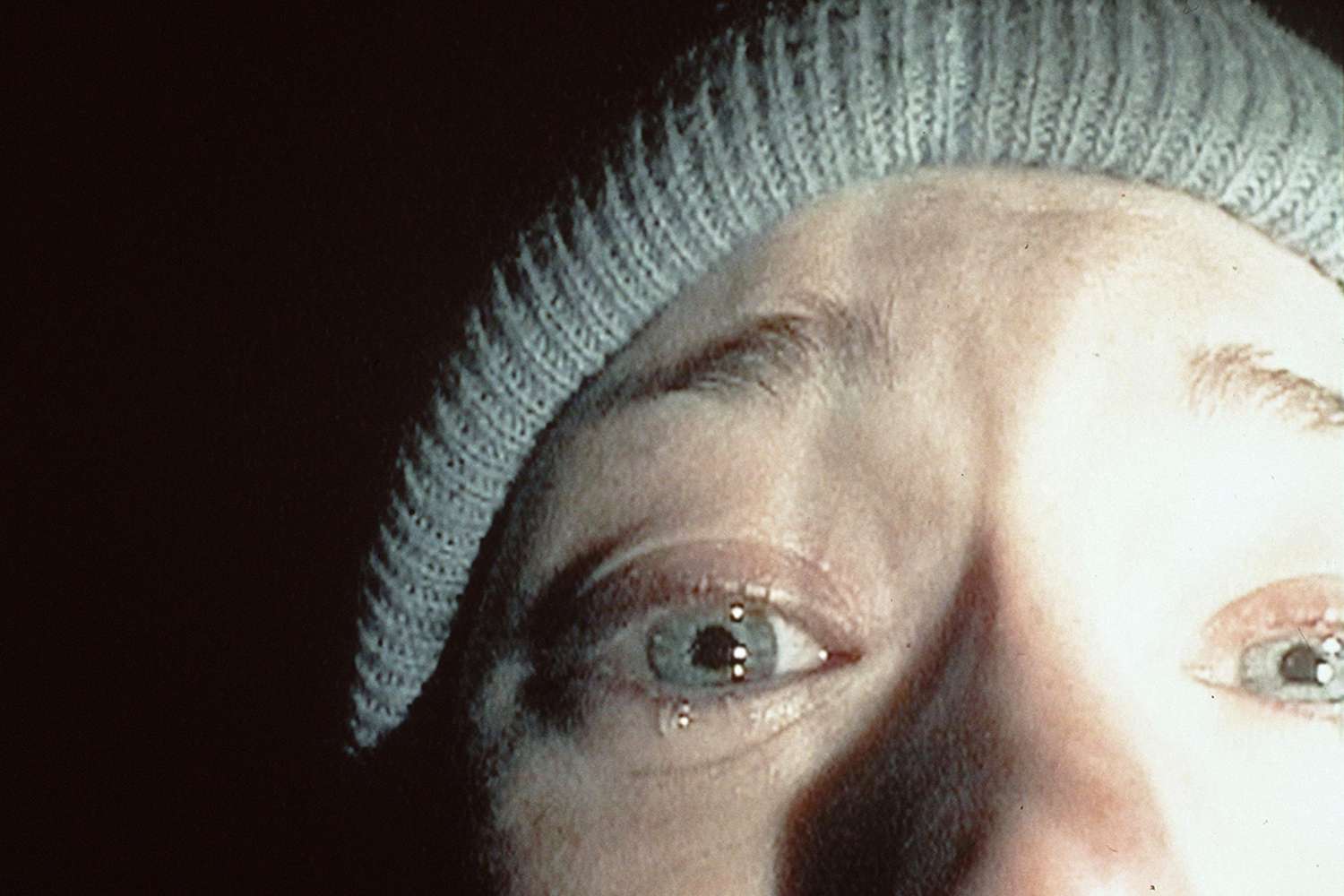
Heather Donahue in 1999’s ‘The Blair Witch Project’Credit: Getty
Before the clock officially struck midnight on the year 2000, there was one thing scarier than the countdown to Y2K: The Blair Witch Project.
The gritty “found footage” style film was released on July 30, 1999. The terrifying flick told the story of three filmmakers, Heather Donahue, Joshua Leonard and Michael C. Williams, who went missing in the woods in 1994. The filmmaking style, combined with its unconventional marketing tactics, left audiences wondering if they had just watched a real or fictional movie.
Though found-footage-style horror films like Cannibal Holocaust inspired directors Daniel Myrick and Eduardo Sánchez, the format hadn’t yet hit the masses, making The Blair Witch Project groundbreaking. The film also relied heavily on improvisation, garnering genuine reactions from the actors, as little guidance was given on dialogue or plot direction.
“We definitely got as close as we had hoped to get to real horror,” Sánchez told Filmmaker Magazine in 1999.
Nearly 30 years after the film’s wide release, The Blair Witch Project remains a testament to the power of storytelling, unconventional marketing and blending fictional narratives with the rules of reality.
However, was The Blair Witch Project real? Here are all the details behind the iconic movie.
Myrick and Sánchez created the Blair Witch myth (and website) to add to the film’s authenticity
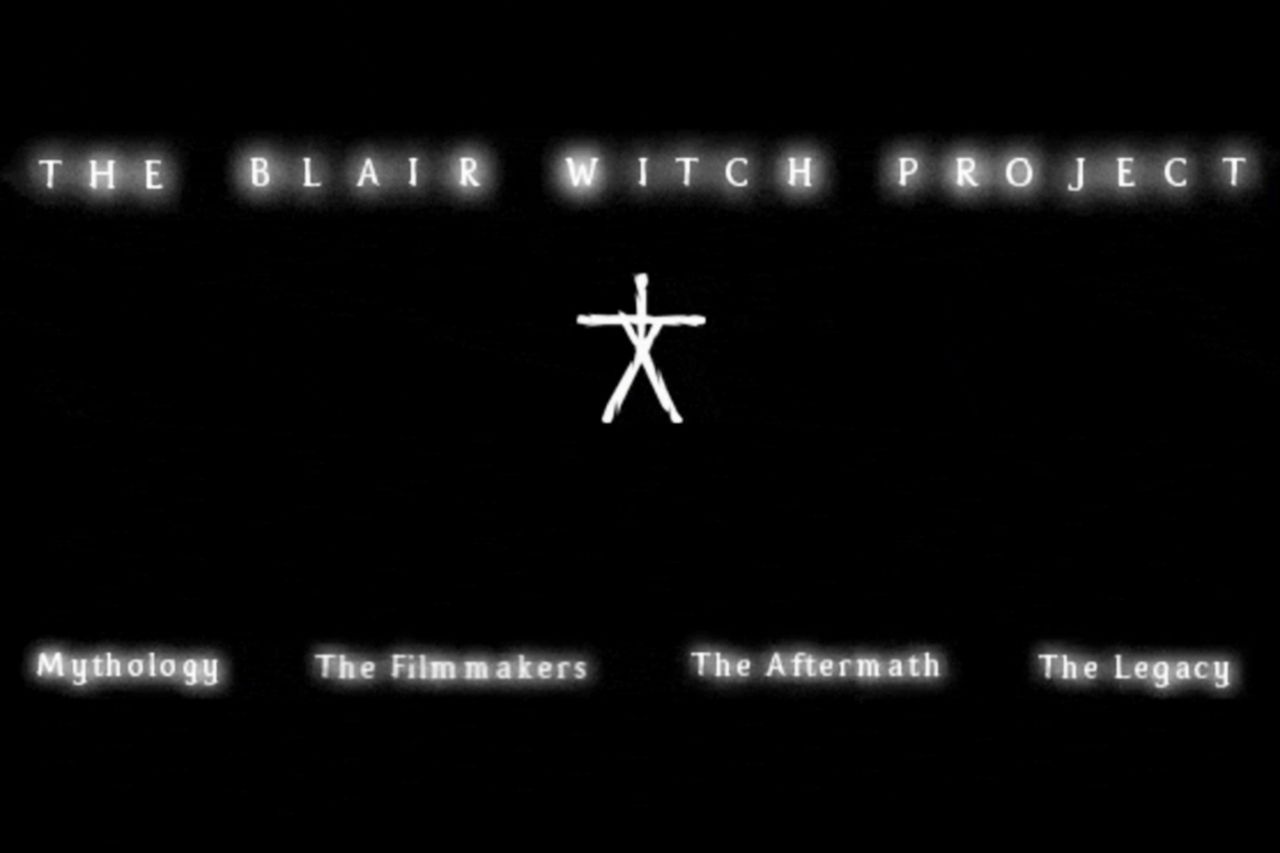
‘The Blair Witch Project’ websiteCredit: Lions Gate Entertainment
The Blair Witch Project began with its creators, Myrick and Sánchez, meticulously crafting a backstory for the Blair Witch years before the film hit theaters. They developed an elaborate story involving the disappearance of three student filmmakers in the Black Hills near Burkittsville, Md., launching a website in 1998 that featured faux police reports, interviews and news articles.
These false accounts, per WIRED, included an elaborate backstory about how Donahue’s mom fought with local police over the footage and urged filmmakers to put it all together, further blurring the line between reality and fiction.
The website played a crucial role in building suspense and curiosity, making it one of the earliest examples of viral marketing in cinema. The detailed backstory and online presence convinced many that the Blair Witch legend was an actual historical event, setting the stage for the film’s release.
The script had no dialogue
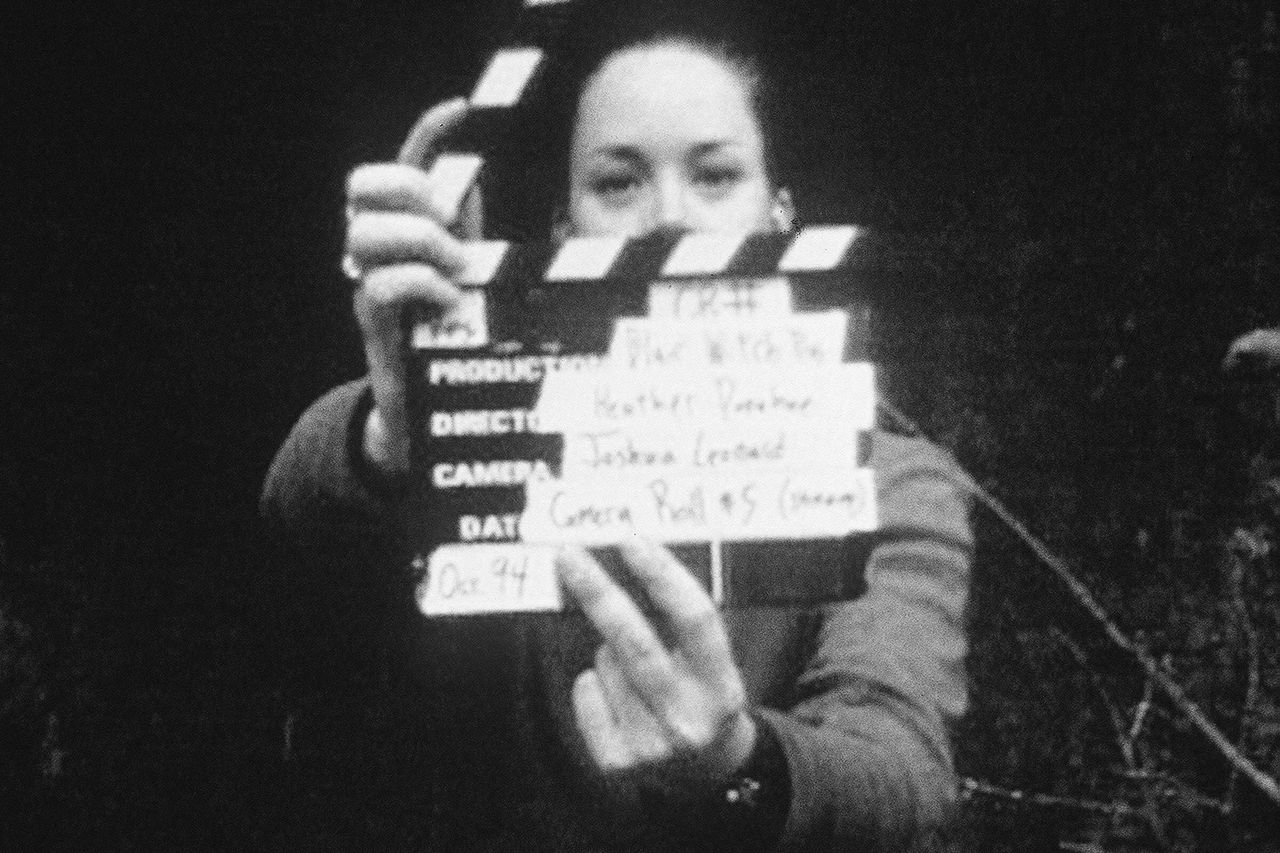
Heather Donahue in 1999’s ‘The Blair Witch Project’Credit: Artisan Pics/Kobal/Shutterstock
The Blair Witch Project didn’t rely on a conventional script. Instead, Myrick and Sánchez created a rough outline that included the overall plot, key scenes and character descriptions, but no dialogue, per The Guardian.
The actors were given general directions and character backgrounds but were largely left to improvise, which ultimately resulted in giving the directors what they aimed for in the film.
“Amazingly, [the actors] pretty much hit every single point in the plot outline,” Sánchez told Filmmaker Magazine. “We planned it so we would tell them just enough for them to pull a gag off and still be surprised by it.”
The audition process was unconventional
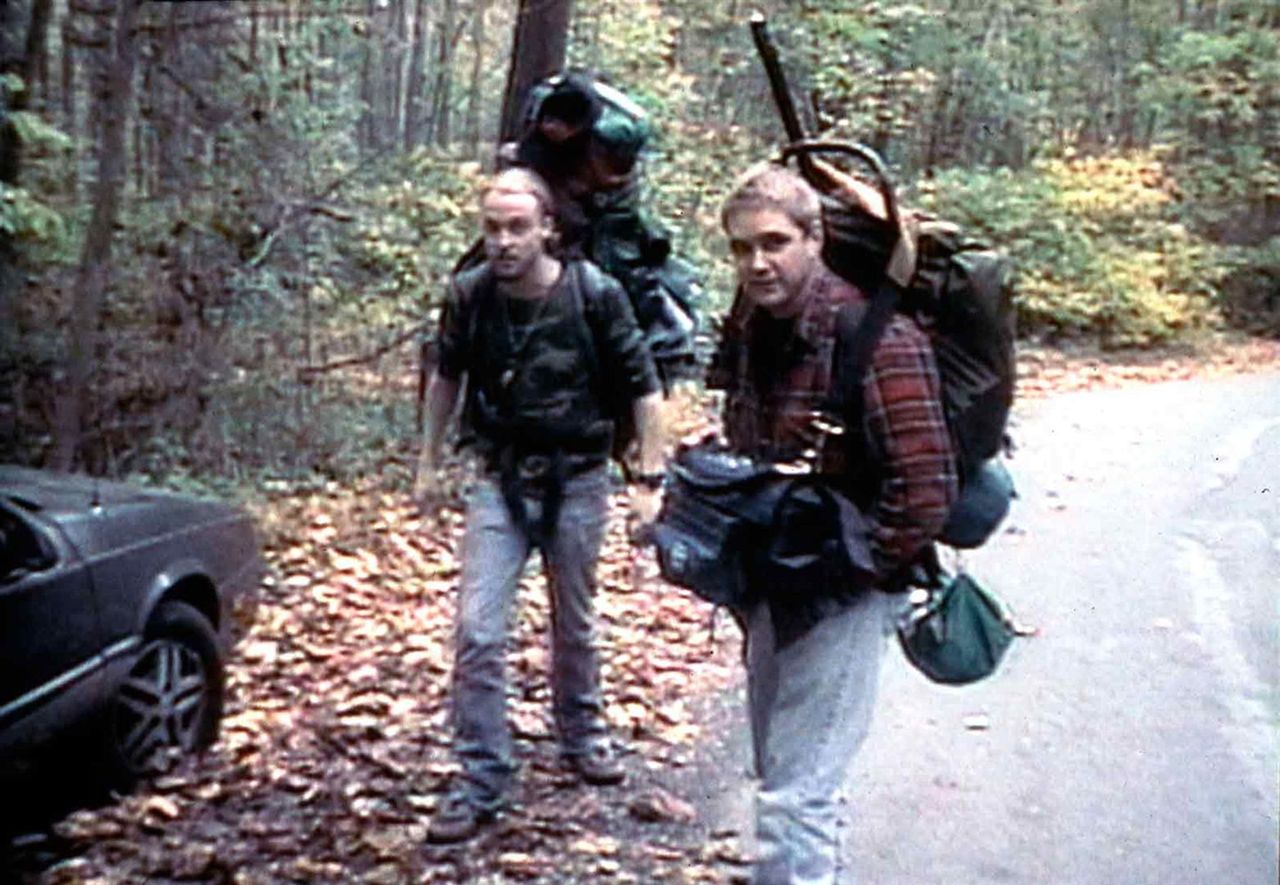
Joshua Leonard (left) and Michael C. Williams in 1999’s ‘The Blair Witch Project’Credit: Moviestore/Shutterstock
The directors of The Blair Witch Project wanted actors who could think on their feet, so they held open auditions in New York City in 1996, where actors were asked to respond to hypothetical scenarios rather than lines from a script.
One of the most infamous audition questions was, “You’ve been in jail for the last nine years. Tell us why you’re here and why you should be released.”
Originally, the directors intended for the characters to be three men. However, when Donahue auditioned and responded to the hypothetical with “I probably shouldn’t be released,” she was cast in the film, as Myrick told The Guardian in 2018.
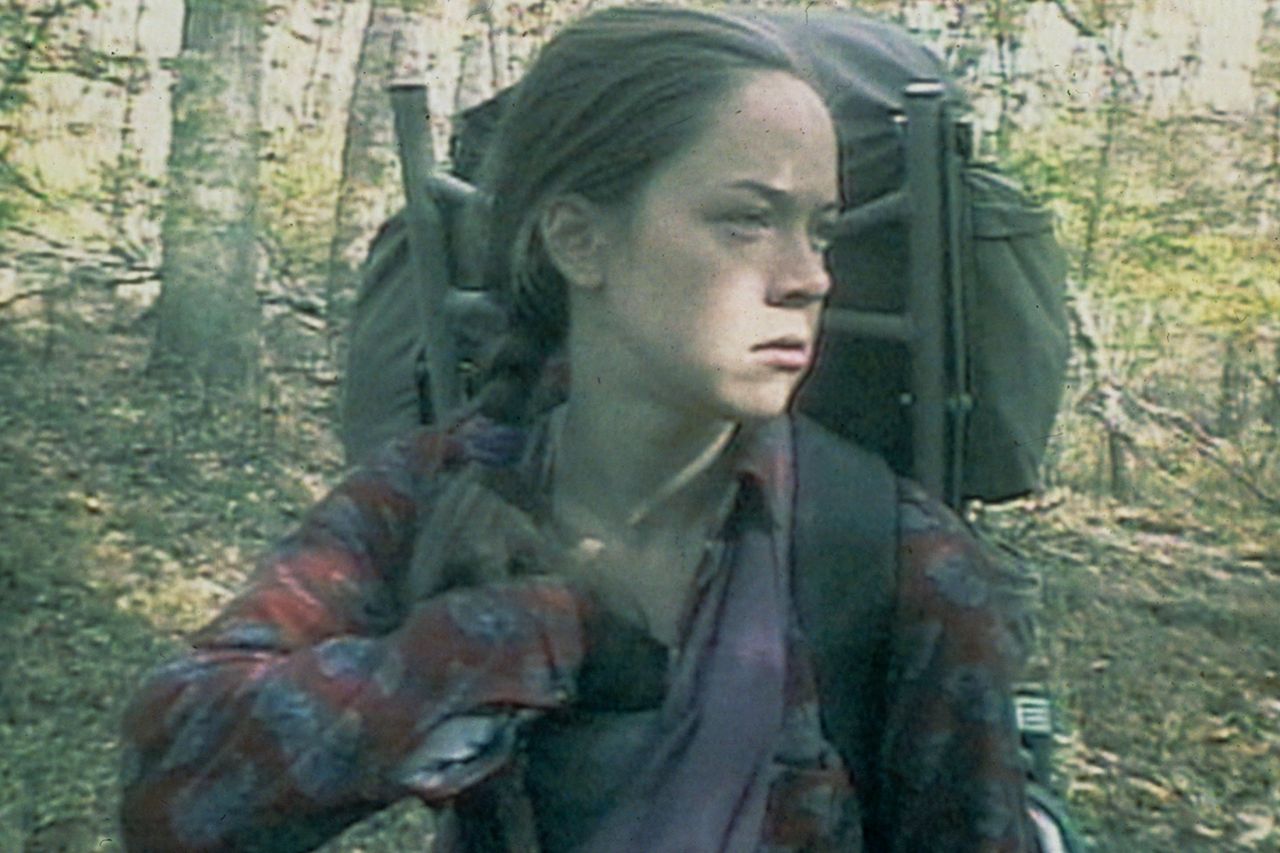
The actors didn’t know what was going to happen while filming
Heather Donahue in 1999’s ‘The Blair Witch Project’Credit: Moviestore/Shutterstock
To heighten authenticity, the directors kept the actors in the dark about many aspects of the production.
The actors were given GPS coordinates to follow each day and only received limited information about the scenes they were about to shoot. The method ensured that their reactions to the unfolding events were genuine.
As filming progressed, Myrick and Sánchez also manipulated the actors’ environment, creating unsettling situations and noises to elicit real fear and confusion, which was instrumental in capturing the raw, emotional performances that defined the film.
“Heather told me at the wrap party that there were times out there when she actually had to get away from the guys and be by herself for a little bit,” Myrick told Filmmaker Magazine. “She said that she was getting so far into the role and the surroundings that she was about to lose it. So I think that the technique worked.”
In a July 1999 interview with Salon, Leonard described making the film as a “choose your own adventure book,” where they were given a situation or brought to a location and essentially had to figure out their next plot point.
“Everything worked,” Leonard said. “There’s nothing that we could have filmed that wouldn’t have worked in one way or another because it was all real, because it was all really happening.”
The actors have also opened up about the difficulties of lending their real names and performances to an independent film that had unexpected runaway success.
Advertisement
After Lionsgate and Blumhouse announced in April 2024 that they would be making another Blair Witch Project, Leonard, Donahue and Williams wrote an open letter asking for retroactive residuals for the original and “meaningful consultation” on forthcoming works using ideas and content from their movie.
“Because everybody’s wondering what happened, and your wife is in the grocery line and she can’t pay because a check bounced,” Williams told Variety of his post-Blair Witch life. “You’re in the most successful independent movie of all time, and you can’t take care of your loved ones.”
It wasn’t just method acting; it was “method filmmaking”
Michael C. Williams in 1999’s ‘The Blair Witch Project’Credit: Moviestore/Shutterstock
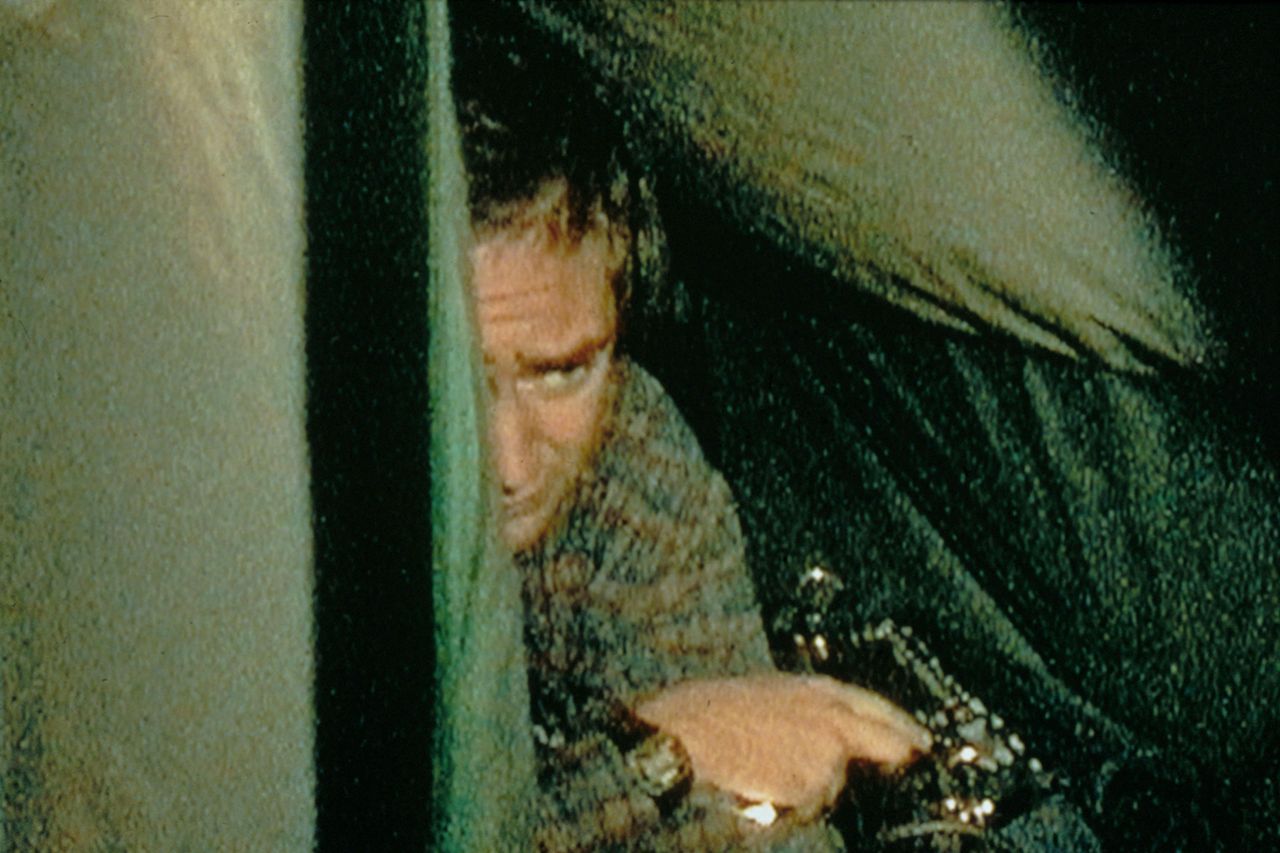
The production of The Blair Witch Project took method acting to new heights. However, Myrick and Sánchez also described their approach as “method filmmaking,” which involved immersing the actors in a controlled but unpredictable environment.
The actors lived in the woods for eight days, faced hunger, sleep deprivation and constant stress, all of which were intended to push them to their limits and unearth authentic reactions.
“They didn’t know how many nights they were going to have to react to things happening to them. So they had no idea where their curve should be, where it should start, what the next step should be,” Myrick told Filmmaker Magazine.
The often shaky, amateur filming made it appear like viewers were watching a homemade film.
“The prime directive we had was that the film had to look completely real,” Sánchez told The New York Times in July 2019. “The lighting had to make sense; the sound couldn’t be great. There wasn’t going to be a soundtrack. It was just edited footage.”
Sánchez told Entertainment Weekly in July 2009 that the crew supplied the actors with fresh supplies, but as they got closer to wrapping, they “started depriving them of food.”
“By the last day, they were basically living off a banana and some juice,” the director said.
The actors were never actually starved, however, nor were they ever in imminent danger, Williams told Vice in July 2019.
“The whole idea was to have us as uncomfortable as possible without putting us in danger,” he said.
Marketing played a major role in convincing audiences the film was real
‘The Blair Witch Project’ missing posterCredit: Lions Gate Films/Entertainment Pictures/ZUMAPRESS.com
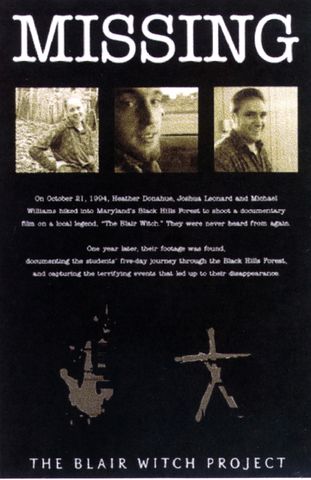
The marketing campaign for The Blair Witch Project was crucial in convincing audiences that the film was based on real events. Beyond the website, the filmmakers used posters, teaser trailers and word-of-mouth buzz to create a sense of mystery, and they staged interviews with the “missing” actors’ families and friends.
To maintain the illusion of authenticity, the actors were not permitted to do press for the film before its release, per Collider. Furthermore, their profiles on IMDb were marked as “deceased,” adding another layer of realism to the narrative.
By the time the truth emerged, some viewers were already convinced that the actors were genuinely missing and the Blair Witch myth was real.
“As individuals, it got a bit weird since we’d used our real names in the film,” Leonard told Vice. “Our parents were getting condolence calls. Then, when the cat was finally out of the bag, and we started press, some people still didn’t believe us.”
The Blair Witch Project had a profound impact on the horror genre
Michael C. Williams in 1999’s ‘The Blair Witch Project’Credit: Getty
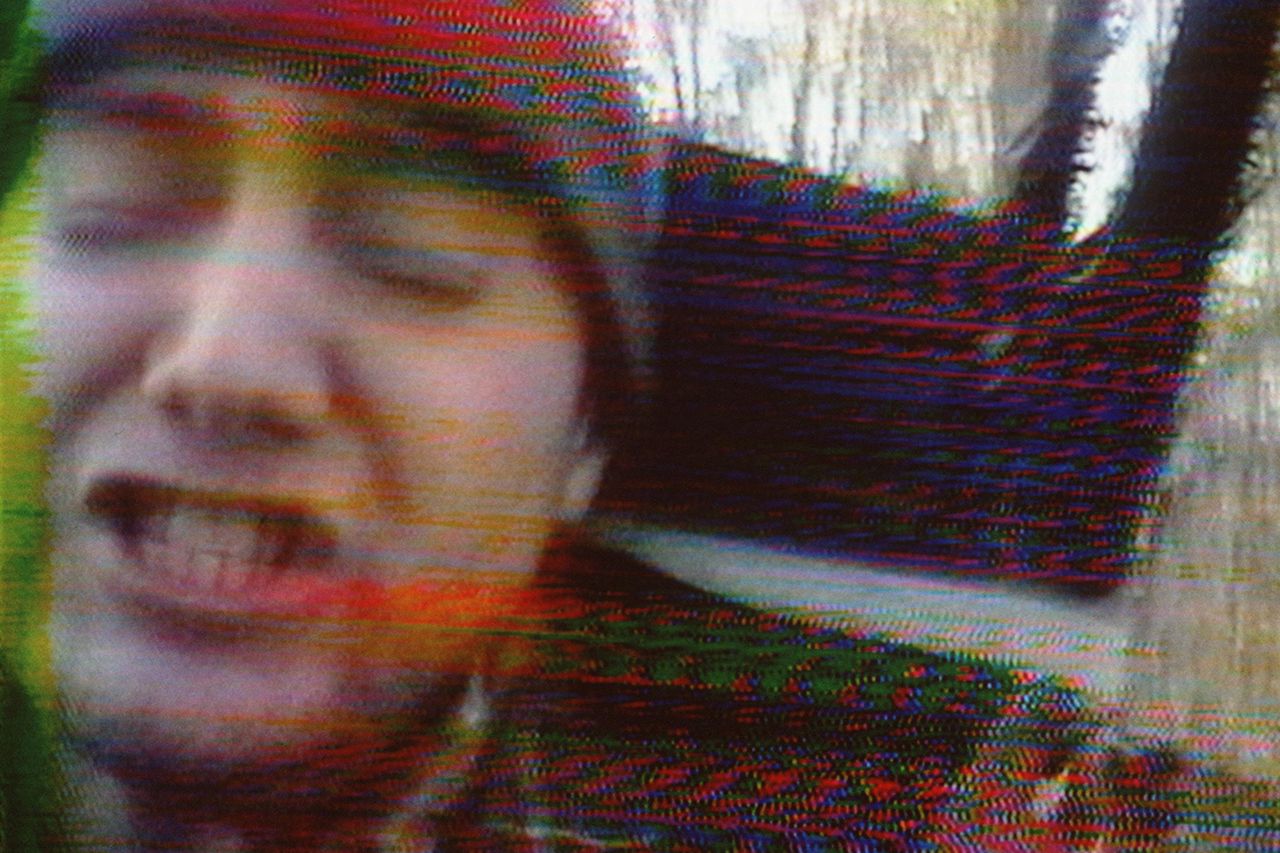
The Blair Witch Project not only redefined the horror genre but also set a new standard for independent filmmaking, demonstrating the power of creativity and innovative marketing over big budgets.
The film’s success also pioneered a new subgenre of horror that ignites fear not by images or scenarios that are objectively frightening, but by instilling fear in the uncertainty of whether the content is reality or fiction.
Blair Witch paved the way for ensuing found footage horror films like 2007’s Paranormal Activity and 2008’s Cloverfield, which adopted similar techniques and marketing strategies, creating immersive experiences for audiences.
Was The Blair Witch Project real?
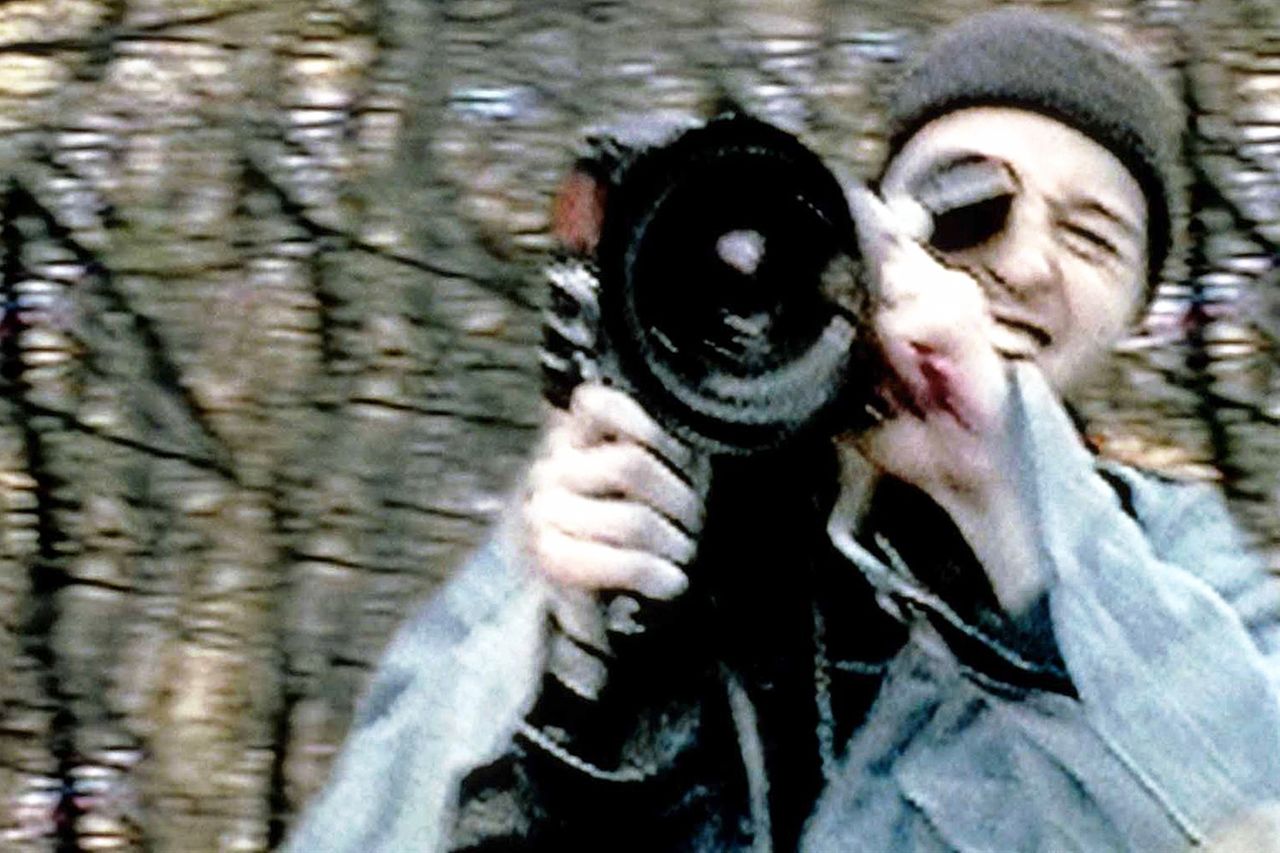
Joshua Leonard in 1999’s ‘The Blair Witch Project’Credit: Moviestore/Shutterstock
The Blair Witch Project hinged heavily on improvisation from the actors who were, by the end of the shoot, pretty weathered by their surroundings.
The performances were unearthed by the directors creating intentional distance, which yielded genuine reactions and an experience that was, in many ways, authentic to the actors involved.
The Blair Witch myth, as it’s understood in the film, is not real. However, the time-honored classic obtains a level of emotional truth that was profoundly innovative for the horror genre of the time and stands as a testament to experimental film today.
on People
Source: “AOL Entertainment”
