


The Surprising Reason Clemson Fans Still Carry $2 Bills On Game Day
The Surprising Reason Clemson Fans Still Carry $2 Bills On Game Day

Elizabeth Hutchison HicklinTue, October 20, 2026 at 3:10 PM UTC
0
Credit: Patrick D. Wright / Clemson University
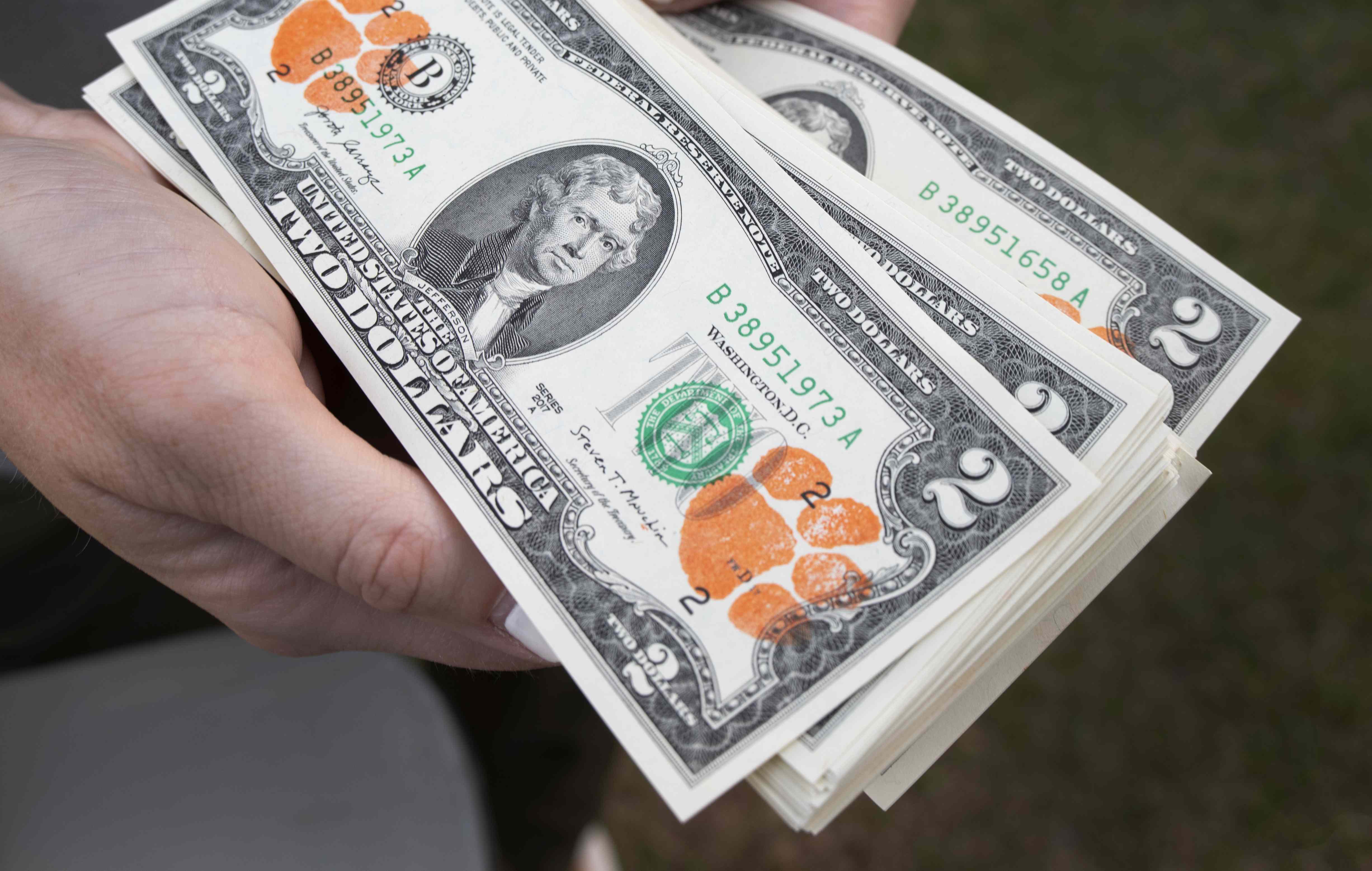
The weekend my parents loaded my brother and me into the family car and headed south from Charleston on I-95 to meet my grandparents in Jacksonville, Florida, to watch Clemson play in the 1995 Gator Bowl, I was nine years old. I remember we played Syracuse, but beyond that, I don’t recall much about the actual game. (Although Google reminded me that the Tigers lost 41-0, so perhaps I blocked it out.) One thing I do remember is sitting with my grandfather before the game and stamping orange Tiger paws onto crisp $2 bills. I’m not sure I’d ever seen a $2 bill, and I was so thrilled by the prospect that I wanted to save the precious few my grandfather pressed into my hand, but spending them was the whole point, he said—it was how we let folks know the Tigers are in town.
Thirty years later, my family, along with the rest of the Clemson faithful, remains undeterred by the rise of cashless payment methods like Apple Pay and Venmo and still travels to away games with stacks of Tiger paw-stamped $2 bills.
To Heck with Georgia Tech
Like a lot of college football traditions, this one is rooted in a rivalry. Clemson played Georgia Tech for the first time in 1898 on Thanksgiving Day in Atlanta, and although the two teams met nearly every year for the better part of the twentieth century, the Yellow Jackets never made the trip to Clemson—the games were always held in Atlanta.
Advertisement
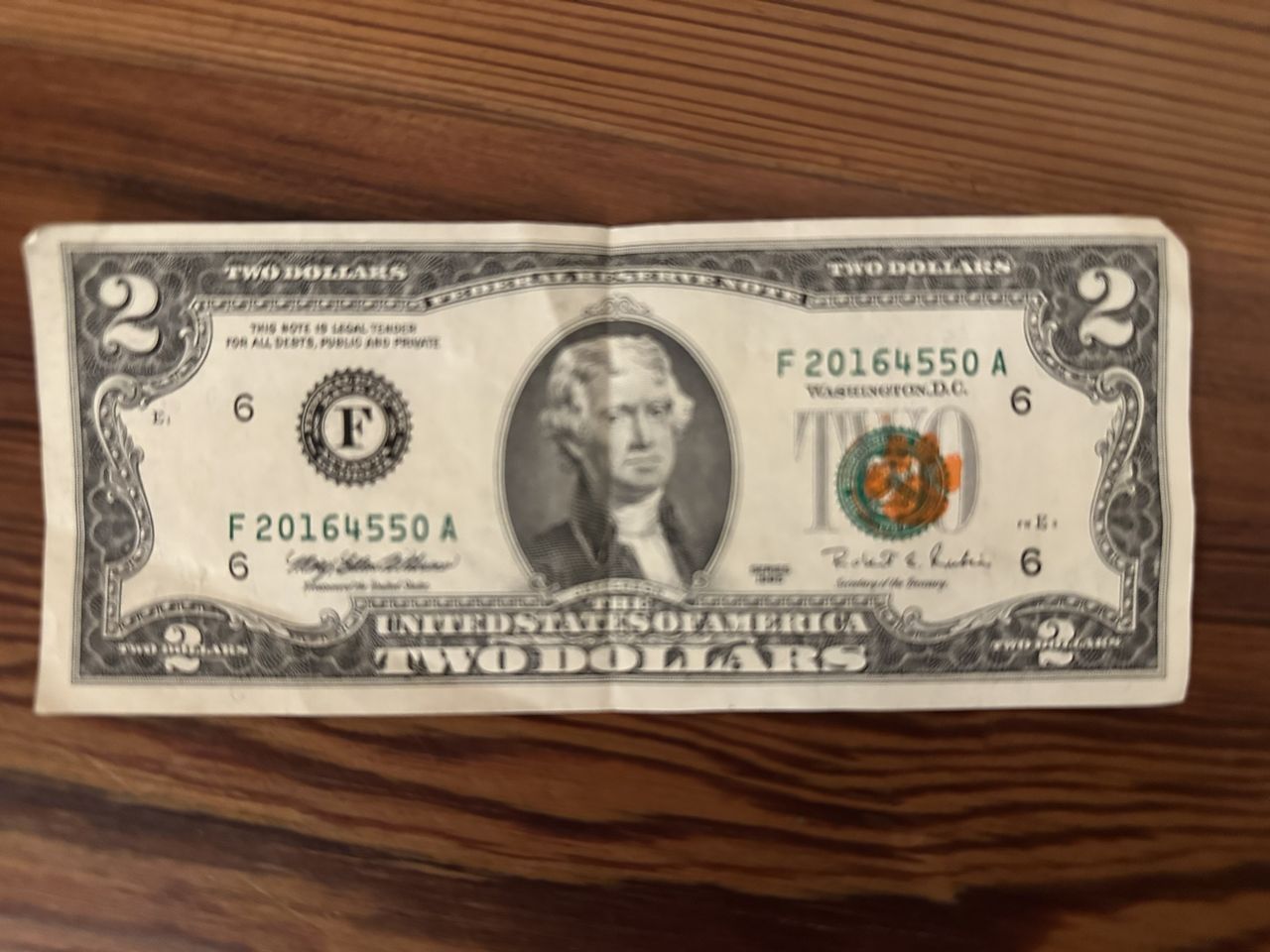
“In those days, a trip to Atlanta was like a bowl game for Clemson fans,” says Timothy Bourret, Clemson’s former Sports Information Director, nicknamed “Clemson Google” by his colleagues for his encyclopedic knowledge of all things orange-and-purple. Upwards of ten thousand fans made the trip each year, but despite the match-up’s popularity and history, the Georgia Tech administration unexpectedly announced its intention to end the series when the contract ran out in the late 1970s. With a handful of games still left to play in Atlanta, George Bennett, an executive director at IPTAY (Clemson’s booster club), had an idea. To publicly demonstrate the impact of Clemson fans on the local Atlanta economy, he asked folks making the trip in 1977 to pay with $2 bills, each stamped with an orange Tiger paw. Even in the 70s, when cash was still king, people paused when they came across the rare bill.
Credit: Elizabeth Hutchison HicklinAn Unexpected Tradition Takes Root
As it turned out, the stunt proved unnecessary as the Yellow Jackets joined the ACC the following year in 1978, effectively moving the two teams to a permanent home-and-home series. Regardless of the scheduling resolution, Clemson fans embraced the $2 bill tradition in a way Bennett never imagined, and the practice of traveling to away games with the paw-stamped bills became as much a part of Clemson lore as Howard’s Rock and The Hill. Some South Carolina banks stock the bills during football season, but in most places, fans place special orders at their local branches.
Twenty-one years after that first Gator Bowl and just two weeks before the Tigers traveled back to the Sunshine State to beat Alabama with a last-second touchdown pass to secure our first national title since 1981, my grandfather passed away. Although he wasn’t with us inside Tampa’s Raymond James Stadium as the orange confetti rained, you can bet there were $2 bills stuffed into our wallets, just like he taught us.
on Southern Living
Source: “AOL Sports”
