


El Niño 'looms large' over this winter's weather. Here's what NOAA expects where you live.
El Niño 'looms large' over this winter's weather. Here's what NOAA expects where you live.

Jasmine AnderssonTue, October 20, 2026 at 3:43 PM UTC
2
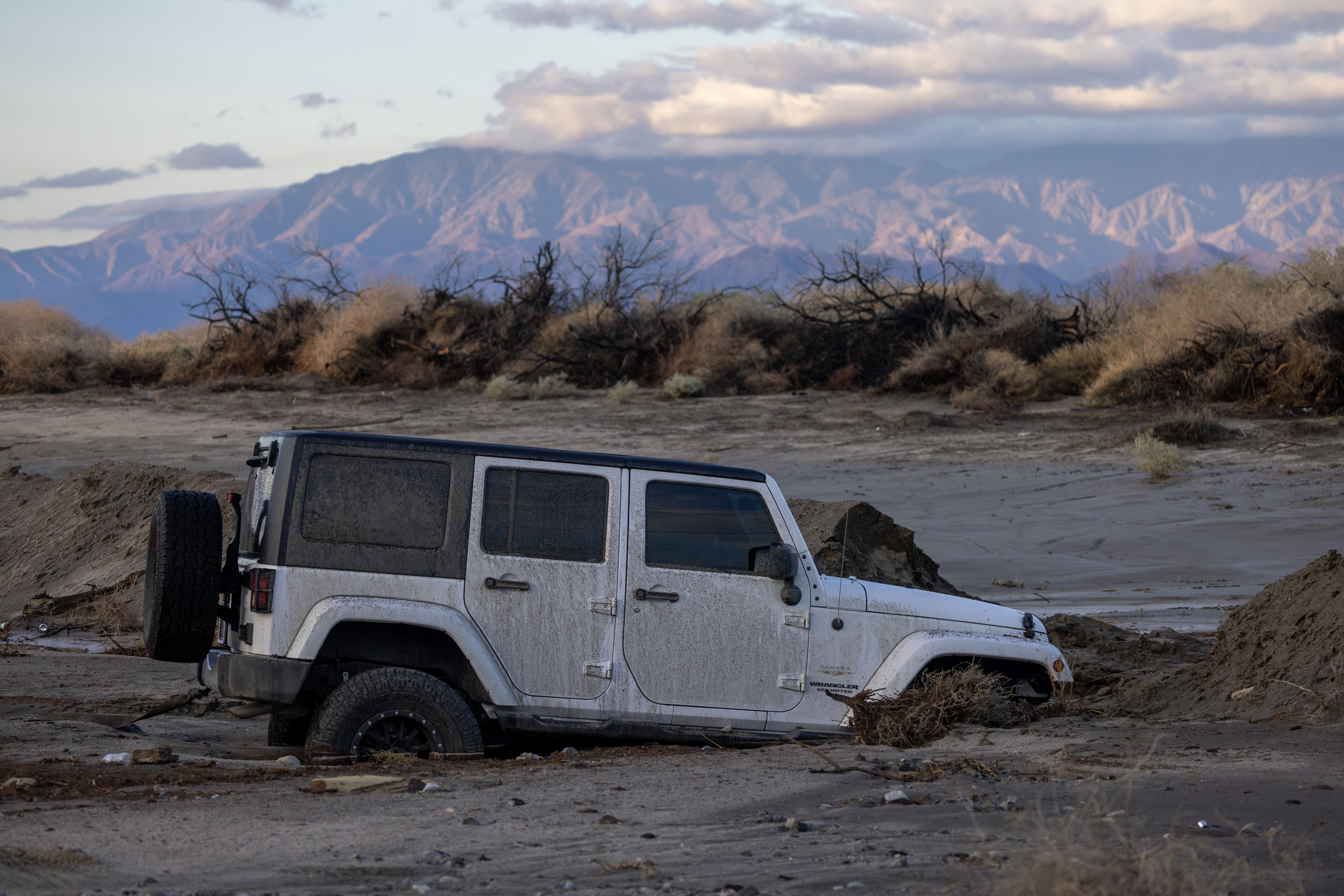
This year's powerful El Niño "looms large" over the winter outlook and is expected to play a major role in shaping winter weather across the country, according to NOAA.
"Now is the time for communities and individuals to plan ahead for the upcoming winter," Ken Graham, director of NOAA's National Weather Service said. The expert warned that while more rain and snow may bring relief to drought-afflicted areas, "too much precipitation on dry soil can fuel destructive flash floods and mudslides."
The seasonal forecast, which anticipates warmer-than-average temperatures across much of the northern U.S. and wetter conditions farther south, comes as parts of the country face heavy rain and flooding threats this week, including a flood watch in south-central Arizona and a powerful, slow-moving nor'easter bringing coastal flooding concerns to the East Coast.
Both weather threats are unfolding in regions where NOAA expects wetter-than-average conditions this winter, an outlook shaped by this year's El Niño.
The El Niño climate pattern, which occurs when waters in the central and eastern tropical Pacific Ocean become unusually warm, has an 83% chance of becoming the strongest on record, dating back to 1950, during October to December, according toNOAA's Climate Prediction Center.
Looking ahead to the coming months in NOAA's winter outlook, forecaster Jon Gottschalck told reporters there is "a large reservoir of warmer-than-normal water below the surface in the eastern Pacific, serving as continued fuel for this El Niño."
While much of the country has seen widespread drought throughout 2026, NOAA has "high confidence" that this will decrease over winter. The milder weather in the north could also ease heating fuel costs.
Here's how El Niño could affect winter weather where you live from December through February.
Pacific Northwest and West Coast
Warmer-than-average temperatures are favored for Northern California and the Pacific Northwest, with wetter conditions across California. Drought conditions in western Oregon and western Washington are expected to improve, but NOAA said that "drought is favored to develop or worsen across some areas of the Pacific Northwest and northern Rockies." The written outlook specifically names northeastern Oregon and eastern Washington.
Across the country as a whole, there is "high forecast confidence that drought coverage decreases during the upcoming winter."
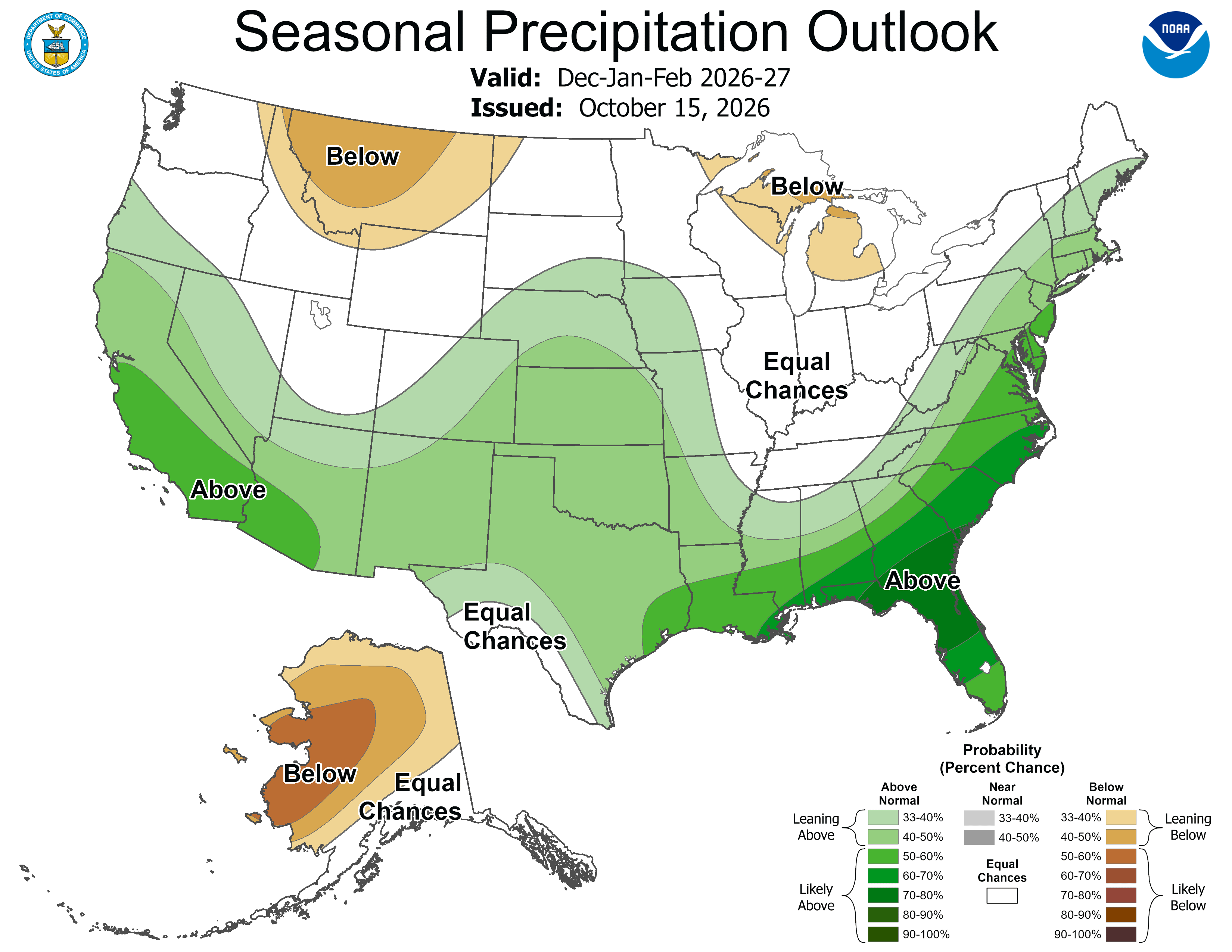
A rainier winter looks likely to be in store for southern states.Southwest and Rockies
The Southwest is in line for a wetter-than-average winter, and drought is expected to ease there and across the central and southern Rockies. Temperatures are harder to call, with equal chances of below-, near- or above-normal readings in much of the Southwest. By contrast, drier-than-average conditions are favored for parts of the northern Rockies, where drought is favored to develop or worsen.
After a historic snow drought across much of the West last winter, strong El Niño events typically bring above-average snowfall to the southern California mountains, parts of Nevada and the southern Rockies. However, this is less likely to be the case in the northern Rockies, which usually go the other way. "So it's kind of a mix," NOAA said, adding that the southern gains "will help with some of their water usage or shortage issues in those areas, but maybe not so much in the northern Rockies."
Advertisement
Plains
The northern Plains are favored to be warmer than average thanks to El Niño. Farther south, drought is expected to improve across the southern Great Plains, with wetter-than-average conditions favored across the central and southern Plains. NOAA said above-average snowfall is typical for the southern High Plains, stretching "even into the High Plains of Texas and Oklahoma."
Midwest, Great Lakes and Upper Midwest
Warmer-than-average temperatures are favored across the Midwest and Ohio Valley, with the highest odds in the upper Mississippi Valley and Great Lakes, which points to less snow and no deep freezes and fewer cold outbreaks. "There's typically less Arctic air outbreaks" over an El Niño winter," NOAA said.
Warmer temperatures mean the potential for less lake-effect snow this winter, NOAA said, although individual storms will remain "event-driven week to week." Overall, it expects below-normal snow across the Great Lakes. The outlook favors drier-than-average conditions in parts of the Great Lakes, and NOAA said snowfall is generally below normal in those areas during El Niño winters.
NOAA doesn't issue official seasonal snowfall outlooks, since snow is generally not predictable more than a week in advance, but it said the strong El Niño points to a below-normal snowpack across the Upper Midwest.
Farther west, Minnesota and the upper Mississippi Valley typically turn drier during El Niño winters. No change is expected in drought conditions, but NOAA flagged "growing concern for intensifying drought conditions and additional drought development" into spring.
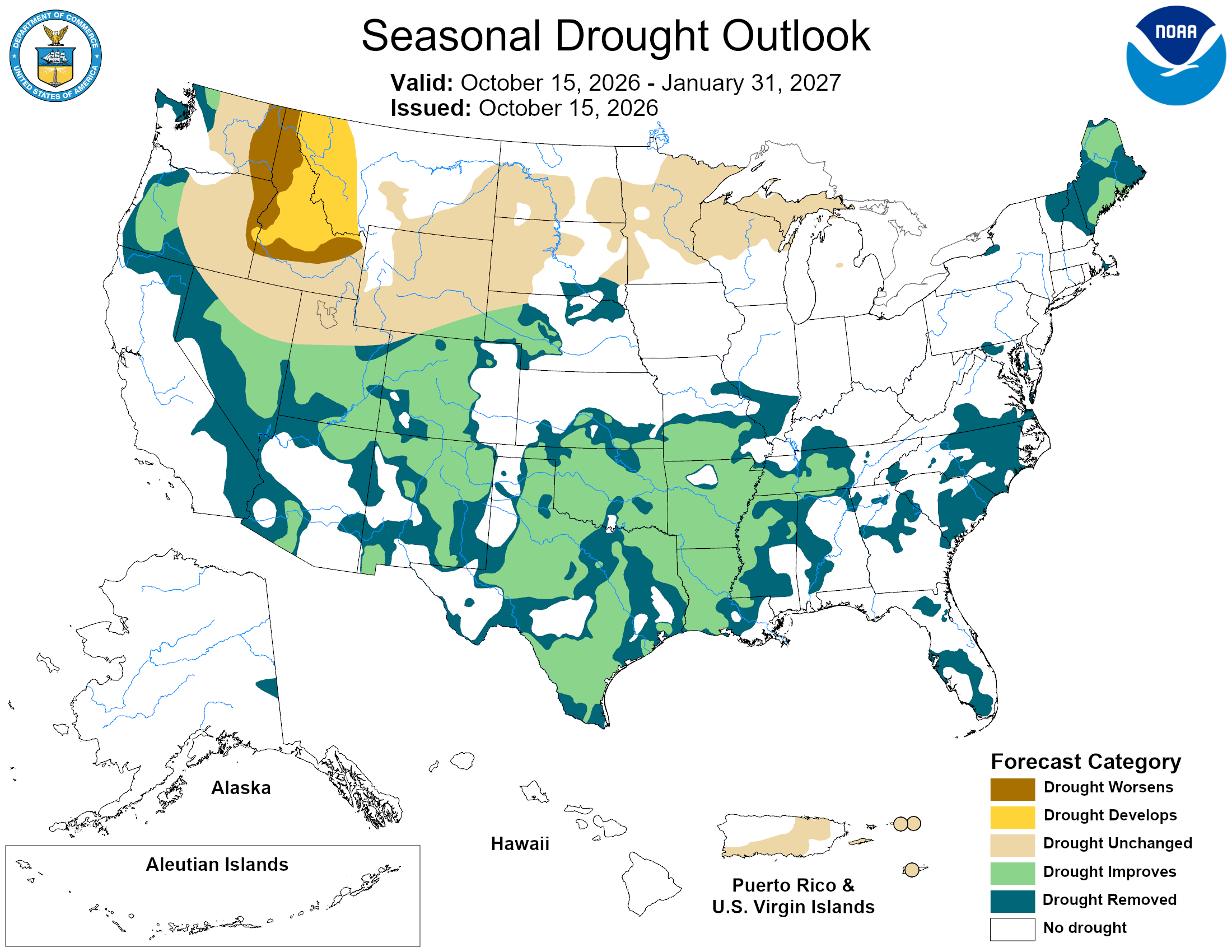
Swathes of the south will be less likely to be in drought over winter, but the Northern Rockies is more likely.Northeast and New England
Much of the East is favored to be warmer than average, with the odds highest in parts of the interior Northeast.
Interior parts of the Northeast also typically see below-normal snowfall in strong El Niño winters. "It's very mixed potentially across the coastal areas," NOAA said, "but there is some potential because these storms can be very strong."
The storm track shifts southeastward, so some storms may miss the coast, but strong ones often do make it up the Eastern Seaboard. NOAA described these systems as "very energized and very moist," and said that when the northern and subtropical jet streams phase, large storms can reach as far north as Boston.
While El Niño may bring about warmer temperatures, NOAA cautions that "it doesn't erase the risk" of a snowstorm.
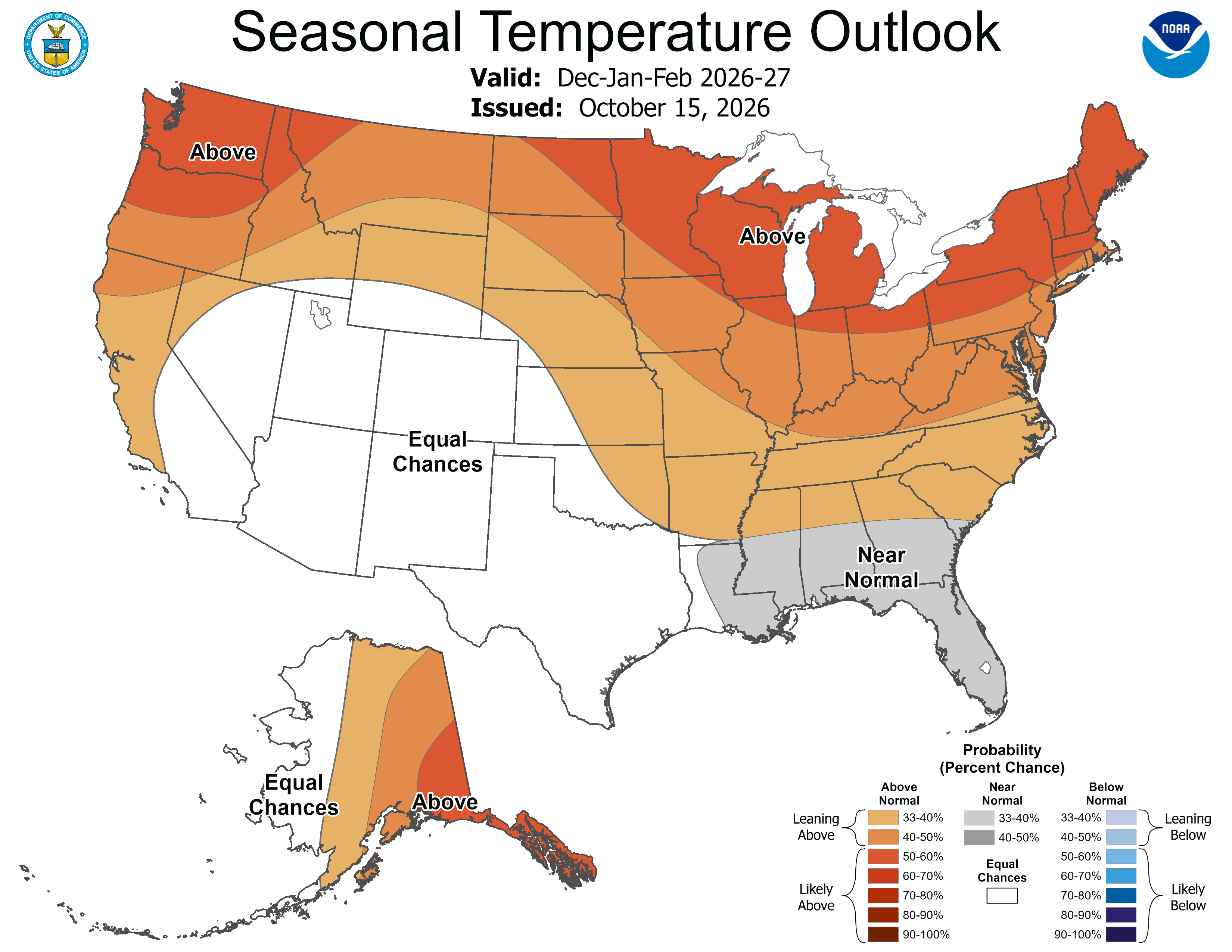
Hotter temperatures then usual are forecast for large parts of the U.S.Mid-Atlantic and Appalachians
Parts of the Mid-Atlantic, the southeast Appalachians and the northern part of the Southeast tend to see above-average snowfall in strong El Niño winters. "With respect to a given location's normal, typically we would see above-average snowfall," NOAA said. The Eastern Seaboard is also expected to be wetter than average.
Southeast, Gulf Coast and Florida
Temperatures are expected to be near normal across much of the Southeast, including Georgia and northern Florida, although southern Florida is favored to be warmer than average. The Gulf Coast and southern Atlantic Coast states have the highest odds of an above-average precipitation winter. In Georgia, more cloud and rain could hold daytime highs below normal, but NOAA said "nighttime temperatures with that same impact of moisture will be considerably above average."
NOAA also flagged severe weather in late winter across parts of the eastern Gulf Coast states. It pointed to potential similarities between this year and the 1997-98 winter, which brought "a very strong tornado season" in late winter and early spring. A powerful subtropical jet can "create a lot of wind shear, directional shear," NOAA said, adding that "severe weather is more likely than normal years during these strong El Niño events, especially in northern Florida."
Alaska, Hawaii and U.S. territories
Eastern Alaska, Puerto Rico and the U.S. Virgin Islands are favored to be warmer than average, while Hawaii has equal chances of a warmer, cooler or near-normal winter. Drier-than-average conditions are more likely for the Hawaiian Islands, much of mainland Alaska and the western Pacific Islands.
Source: “AOL Breaking”
